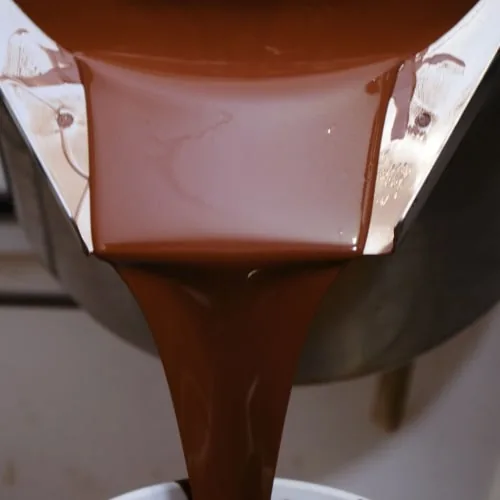
A chocolate tour is the rainy-day pick in Mindo, and it is a good one: the region grows fine-flavor cacao, and the tours take you from fermented bean to finished bar in about two hours. You leave having watched the roasting and grinding, tasted the paste at every stage, and drunk a thick hot chocolate that ruins café versions for you permanently.
The two tours in Mindo
There are two chocolate makers running tours:
| Maker | Price | What you get |
|---|---|---|
| Mindo Chocolate Makers (formerly El Quetzal de Mindo) | ~$10, check current | Bean-to-bar process, tastings at each stage |
| Yumbos Chocolate | $10 | Tour with 10 tastings |
Both are within walking distance of the center. Check current prices and times when you arrive — tours run to a schedule and fill up in high season.
Mindo Chocolate Makers (formerly El Quetzal de Mindo) — the alternative
The project known for years as El Quetzal de Mindo has changed its name to Mindo Chocolate Makers — same place, same operation, new sign. If you are searching for it online, both names still point to the same doors. The tour walks through the full bean-to-bar chain: fermenting boxes, drying racks, roasting, winnowing, grinding. You taste at each stage, from raw bean to finished dark chocolate, and the difference between 70% and 100% stops being abstract. The attached café serves the famous brownie and drinking chocolate either way, tour or not.
Yumbos Chocolate — the tour we use
This is the chocolate tour included in our all-inclusive programs: it is a short walk from town, the group size works, and the ten tastings keep everyone engaged. When it is full or you want a second round, Mindo Chocolate Makers is the swap.
Yumbos runs the other established tour, $10 with ten tastings along the way. The style is similar — small group, hands-on, history of cacao in Ecuador included. If your first-choice time is full, Yumbos is an easy swap rather than a compromise.
What you learn
Both tours cover the same fundamentals: Ecuador's Nacional cacao lineage, why the cloud forest edge suits it, how fermentation drives flavor, and why chocolate made this close to the farm tastes different from industrial bars. It is a genuinely interesting hour and a half even if you came for the free samples.
Practical notes
- Tours last roughly 2 hours; morning slots are the most common
- No minimum age — it is the best all-ages activity in town when it rains
- Buy bars at the source; the prices are below gift-shop rates
- Pair it with the Mariposario on the same afternoon for a full dry-day plan
The tasting, stage by stage
What makes these tours worth paying for is the tasting arc. You try the cacao at points where it tastes nothing like chocolate: the fresh bean with its sweet-white fruit pulp (the part most people have never eaten), the roasted bean cracked open, the coarse grind, the refined paste, and then finished bars climbing from 60% to 100% cacao. Yumbos adds infused bars to the flight — ginger-chili, orange rind, lemongrass — which sounds gimmicky and mostly works. By the last tasting you can pick out the fruit-forward acidity that Ecuadorian Nacional cacao is famous for, which is exactly the souvenir skill nobody asked for and everybody uses afterward. Both shops sell bars at factory prices, and the 100% bars make an honest gift that survives the trip home.
Why cacao grows here
The valley edge does something unusual: Mindo sits at the cloud forest band where the humidity stays high but the drainage is sharp, which is what fine-flavor cacao wants. Ecuador's Nacional lineage — the variety European chocolate makers obsess over — grows across this whole western slope, and the farms around Mindo feed both tour operations. The tours explain this as they walk you past the fermenting boxes, and it reframes the landscape: the same forest band that holds the cock-of-the-rock leks is also one of the world's great cacao growing environments. That combination — dawn birds, afternoon chocolate — is a genuinely rare pairing.
Related pages
- Mariposario: the Mindo butterfly farm
- Mindo waterfalls: the Ruta de las Cascadas
- Mindo 3-day itinerary
- Mindo day trip vs overnight
- Best time to visit Mindo
Facts checked: September 2026